








Mely anyagok a legjobbak a nem szabványos csavarok gyártásához?
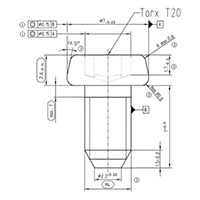
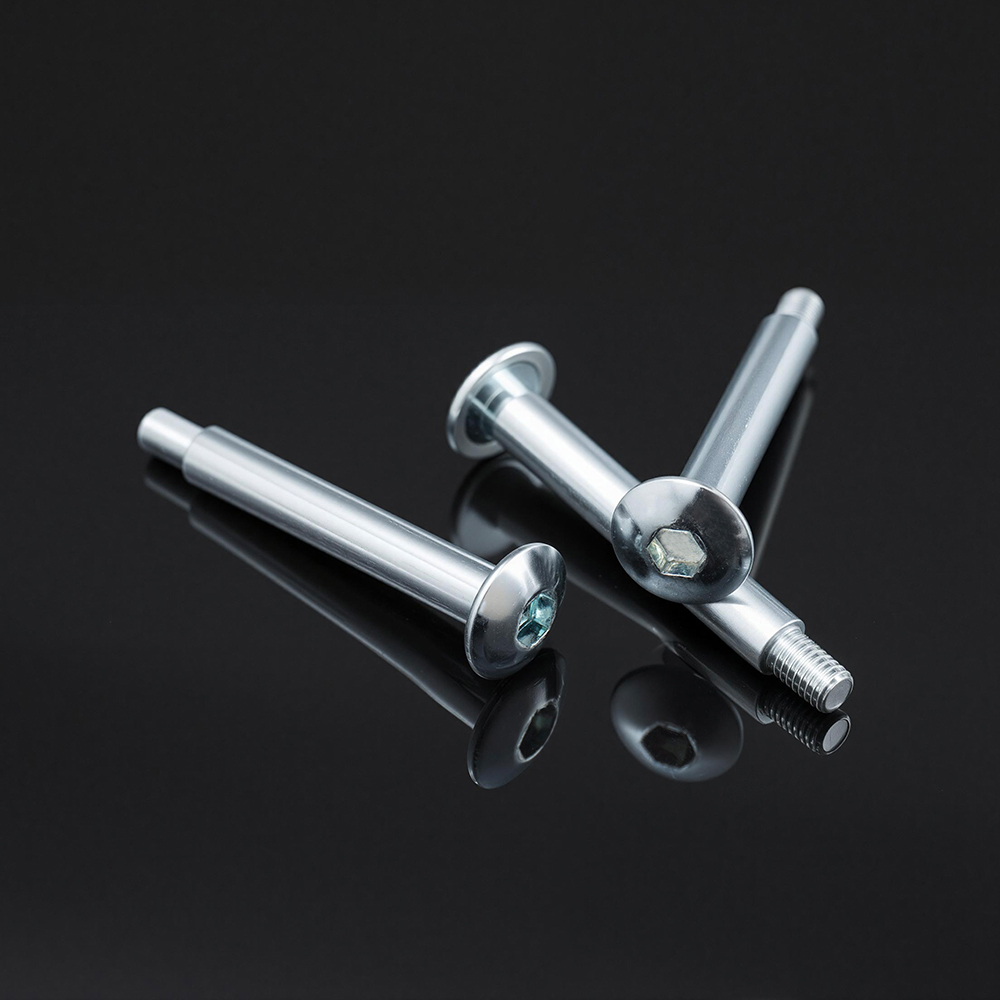
Mivel az iparágak továbbra is igénylik a speciális rögzítési megoldásokat, a nem szabványos csavarok egyre fontosabbá váltak az autóiparban, az elektronikában, a gépekben, az építőiparban, az orvosi berendezésekben, a megújuló energiaforrásokban és az ipari automatizálásban. A szabványos kötőelemektől eltérően, amelyeket a közös specifikációk szerint gyártanak, egyedi, nem szabványos csavarok úgy tervezték, hogy megfeleljenek az egyedi méretkövetelményeknek, összetett telepítési környezeteknek és szigorú mechanikai teljesítmény szabványoknak.
Az anyagválasztás az egyik legkritikusabb tényező, amely befolyásolja a nem szabványos csavarok általános minőségét. A megfelelő anyag nemcsak a mechanikai szilárdságot határozza meg, hanem befolyásolja a korrózióállóságot, a megmunkálási teljesítményt, a kifáradási élettartamot, a hőmérséklettűrést és a hosszú távú megbízhatóságot is. A nem megfelelő anyag kiválasztása idő előtti kopáshoz, kilazuláshoz, korrózióhoz vagy az alkatrészek meghibásodásához vezethet.
Ez a cikk ismerteti a nem szabványos csavarok gyártásához leggyakrabban használt anyagok jellemzőit, összehasonlítja előnyeiket, és megvitatja, hogy a gyártók hogyan választják ki a megfelelő anyagokat az alkalmazási követelményeknek megfelelően.
Miért számít az anyagválasztás a nem szabványos csavaroknál?
A rögzített méretekben gyártott hagyományos csavaroktól eltérően az egyedi, nem szabványos csavarok gyakran egyedi fejkialakítással, speciális menetformákkal, testreszabott hosszokkal, precíziós tűrésekkel vagy alkalmazás-specifikus bevonattal rendelkeznek. Ezek a testreszabott jellemzők olyan anyagokat igényelnek, amelyek a gyártás és az élettartam során megőrzik a méretstabilitást.
A megfelelő anyag segít a gyártóknak elérni:
- Nagyobb mechanikai szilárdság
- Jobb fáradtságállóság
- Továbbfejlesztett korrózióvédelem
- Kiváló megmunkálási pontosság
- Stabil teljesítmény vibráció alatt
- Hosszabb élettartam
- Megbízható rögzítés zord körülmények között
Mivel minden alkalmazás különböző működési feltételeket mutat, nincs egyetlen „legjobb” anyag minden nem szabványos csavarhoz. Ehelyett az optimális választás a teljesítménykövetelmények és a gyártás megvalósíthatóságának egyensúlyán múlik.
Az anyagválasztást befolyásoló főbb tényezők
Az anyag kiválasztása előtt a mérnökök általában több kulcsfontosságú tényezőt értékelnek.
| Kiválasztási tényező | Fontosság | Tipikus megfontolások |
|---|---|---|
| Mechanikai szilárdság | Támogatja a szerkezeti terheléseket | Szakítószilárdság, folyáshatár |
| Korrózióállóság | Megakadályozza a rozsdát és az oxidációt | Kültéri, tengeri, vegyi környezet |
| Hőmérsékletállóság | Fenntartja a teljesítményt melegben vagy hidegben | Ipari berendezések, motorok |
| Súly | Csökkenti az alkatrész tömegét | Repülés, elektronika |
| Megmunkálhatóság | Javítja a gyártási pontosságot | CNC megmunkálás, menetformázás |
| Költséghatékonyság | Ellenőrzi a termelési költségeket | Anyag elérhetőség, feldolgozási költség |
| Felületkezelési kompatibilitás | Növeli a tartósságot | Bevonatozás, bevonatolás, passziválás |
Ezek a megfontolások közvetlenül befolyásolják a nem szabványos csavarok hosszú távú megbízhatóságát a gyakorlati alkalmazásokban.
Rozsdamentes acél: a legsokoldalúbb anyag
A rozsdamentes acél továbbra is az egyik legszélesebb körben használt anyag a nem szabványos csavarok gyártásához, mivel kiváló egyensúlyt biztosít a korrózióállóság, a szilárdság, a megjelenés és a tartósság között.
A gyakori fokozatok a következők:
- 304 rozsdamentes acél
- 316 rozsdamentes acél
- 410 rozsdamentes acél
Előnyök
- Kiváló korrózióállóság
- Vonzó felületkezelés
- Hosszú élettartam
- Minimális karbantartás
- Jó mechanikai teljesítmény
- Alkalmas precíziós megmunkáláshoz
Tipikus alkalmazások
- Élelmiszer-feldolgozó berendezések
- Orvosi eszközök
- Tengerészeti felszerelés
- Kültéri installációk
- Elektronikai termékek
- Építészeti hardver
Ezen minőségek közül a 316-os rozsdamentes acél különösen jól teljesít sós víznek vagy agresszív vegyszereknek kitett környezetben.
Ötvözött acél: nagy szilárdság nagy terhelésekhez
Amikor kivételes mechanikai szilárdságra van szükség, az ötvözött acél válik az egyedi, nem szabványos csavarok preferált anyagává.
Hőkezelés után az ötvözött acél a következőket nyújtja:
- Nagy szakítószilárdság
- Kiváló kopásállóság
- Kiváló fáradtságállóság
- Kiemelkedő hatásteljesítmény
Mivel az ötvözött acél érzékeny a korrózióra, a gyártók gyakran alkalmaznak védő felületkezeléseket, például:
- Horganyzás
- Fekete oxid
- Geomet bevonat
- Dacromet bevonat
- Foszfát bevonat
Közös alkalmazások
- Nehéz gépek
- Autóipari szerelvények
- Ipari berendezések
- Építőipari gépek
- Bányászati berendezések
A nagy terhelésű rögzítőrendszerekhez az ötvözött acél kínálja az egyik legjobb szilárdság/költség arányt.
Alumíniumötvözet: könnyű, jó korrózióállósággal
Azokban az iparágakban, ahol a teljes tömeg csökkentése kritikus fontosságú, az alumíniumötvözet jelentős előnyökkel jár.
Előnyök
- Könnyű
- Jó korrózióállóság
- Kiváló hővezető képesség
- Könnyű megmunkálás
- Vonzó megjelenés
Bár az alumínium csavarok nem olyan erősek, mint az acél kötőelemek, ideálisak, ha a könnyű szerkezet előnyt élvez.
Tipikus felhasználások
- Repülési alkatrészek
- Szórakoztató elektronika
- Kommunikációs berendezések
- Könnyű machinery
- Elektromos járművek
Természetes oxidrétegük javítja a légköri korrózióval szembeni ellenállást is.
Réz és sárgaréz: Kiváló vezetőképesség és dekoratív teljesítmény
A réz alapú anyagokat elsősorban elektromos és hővezető képességük alapján választják ki.
Előnyök
- Kiváló elektromos vezetőképesség
- Kiváló hővezető képesség
- Jó korrózióállóság
- Könnyű megmunkálás
- Vonzó felületi megjelenés
Alkalmazások
- Elektromos berendezések
- Elektronikus csatlakozók
- Precíziós műszerek
- Dekoratív hardver
- Elektromos földelési rendszerek
A sárgaréz kiváló megmunkálhatóságot biztosít, miközben megőrzi a jó méretpontosságot.
Speciális ötvözetek extrém munkakörülményekhez
Bizonyos ipari környezetek a hagyományos fémeken túli anyagokat igényelnek.
Példák:
- Titánötvözetek
- Nikkel alapú ötvözetek
- Magas hőmérsékletű rozsdamentes acélok
- Duplex rozsdamentes acélok
Ezeket az anyagokat akkor választják ki, ha a kötőelemeknek ellenállniuk kell:
- Rendkívül magas hőmérséklet
- Erős kémiai korrózió
- Magas nyomás
- Tengeri környezet
- Repülési feltételek
Bár ezek az ötvözetek magasabb gyártási költségekkel járnak, kiemelkedő, hosszú távú megbízhatóságot biztosítanak igényes szolgáltatási feltételek mellett.
Anyagok összehasonlítása
| Anyag | Erő | Korrózióállóság | Súly | Megmunkálás | Tipikus alkalmazások |
|---|---|---|---|---|---|
| Rozsdamentes acél | Magas | Kiváló | Közepes | Kiváló | Orvosi, élelmiszer-, tengerészeti |
| Ötvözött acél | Nagyon magas | Mérsékelt (bevonattal) | Közepes | Jó | Nehéz gépek, automotive |
| Alumínium ötvözet | Közepes | Jó | Nagyon könnyű | Kiváló | Elektronika, repülőgépipar |
| Réz/Sárgaréz | Közepes | Jó | Közepes | Kiváló | Elektromos berendezések |
| Különleges ötvözetek | Nagyon magas | Kiemelkedő | Változó | Mérsékelt | Repülőgép, vegyipar |
A gyártási folyamatok is befolyásolják az anyagválasztást
A kiválasztott anyagnak meg kell felelnie a tervezett gyártási folyamatnak is. A különböző anyagok eltérő formázási tulajdonságokat mutatnak.
Az általános gyártási módszerek a következők:
| Gyártási folyamat | Megfelelő anyagok | Előnyök |
|---|---|---|
| Hideg irány | Rozsdamentes acél, ötvözött acél, szénacél | Magas efficiency, consistent quality |
| Meleg kovácsolás | Ötvözött acél, speciális ötvözetek | Alkalmas nagy és nagy szilárdságú alkatrészekhez |
| CNC megmunkálás | Rozsdamentes acél, alumínium, sárgaréz, titán | Magas precision and complex geometries |
| Menetgördülés | Acél, rozsdamentes acél | Fokozott menetszilárdság és felületi minőség |
Az anyagválasztás és a gyártástechnológia közötti megfelelő koordináció elősegíti a méretkonzisztenciát és a megbízható termékteljesítményt.
A felületkezelések kiegészítik az anyagteljesítményt
Az anyagtulajdonságok tovább javíthatók megfelelő felületkezelési eljárásokkal.
A gyakori kezelések a következők:
- Horganyzás
- Nikkelezés
- Krómozás
- Fekete oxid
- Passziválás
- Eloxálás
- PTFE bevonat
Ezek a kezelések javítják:
- Korrózióállóság
- Kopásállóság
- Felületi keménység
- Megjelenés
- Élettartam
Még a jó minőségű, nem szabványos csavarok is megfelelő felületvédelemmel rendelkeznek, ha igényes környezetben dolgoznak.
Hogyan támogatja az anyagválasztás a testreszabott rögzítőelem-fejlesztést
Ahogy az ipari berendezések egyre inkább specializálódnak, a gyártók az univerzális rögzítési megoldásoktól az egyedi alkalmazásokhoz tervezett, nem szabványos csavarok felé haladnak.
Az anyagválasztás közvetlenül befolyásolja:
- Menetpontosság
- Összeszerelési megbízhatóság
- Szerkezeti biztonság
- A termék élettartama
- Gyártási hatékonyság
- Életciklus-karbantartási költségek
Emiatt a tapasztalt gyártók a tervezési szakaszban értékelik az anyagok jellemzőit, valamint a termék geometriáját, a gyártási módszereket és a szolgáltatási környezetet.
Precíziós gyártási képességek a megbízható, nem szabványos csavarok mögött
A megbízható anyagválasztás csak egy része a kiváló minőségű, nem szabványos csavarok gyártásának. Ugyanilyen fontos a mérnöki szakértelem, a gyártástechnológia és a minőségirányítás a gyártási folyamat során.
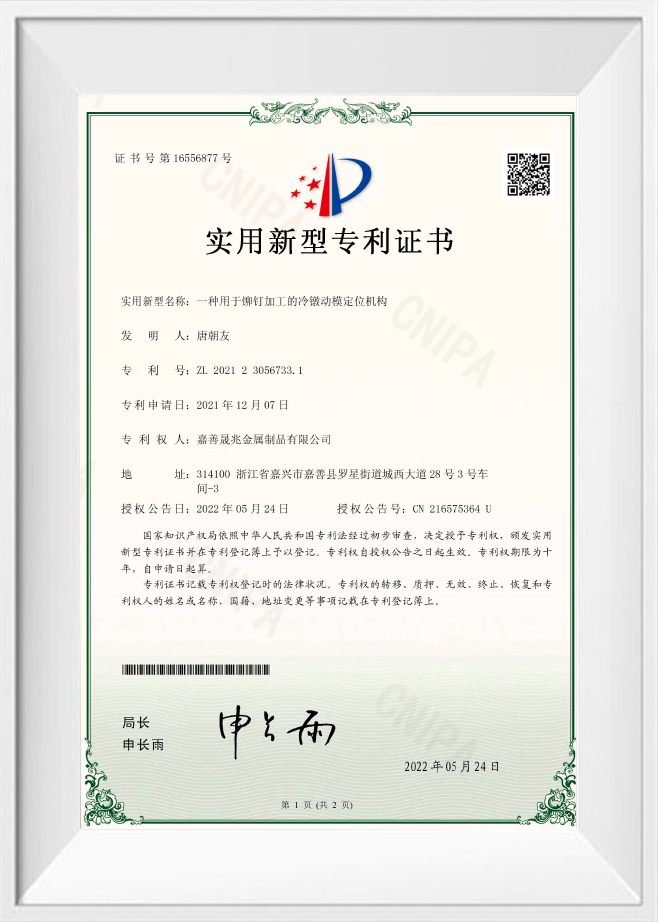
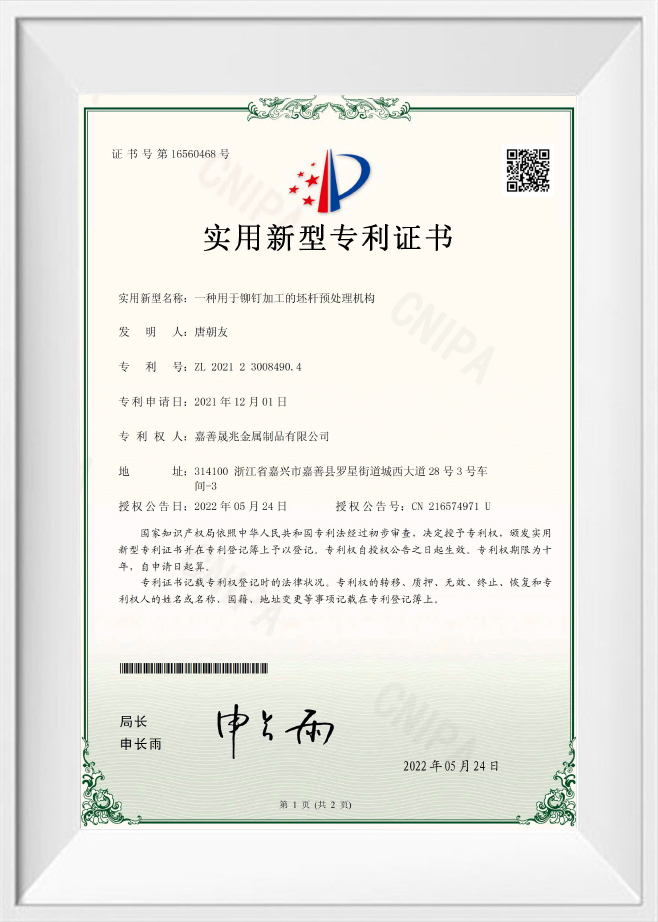
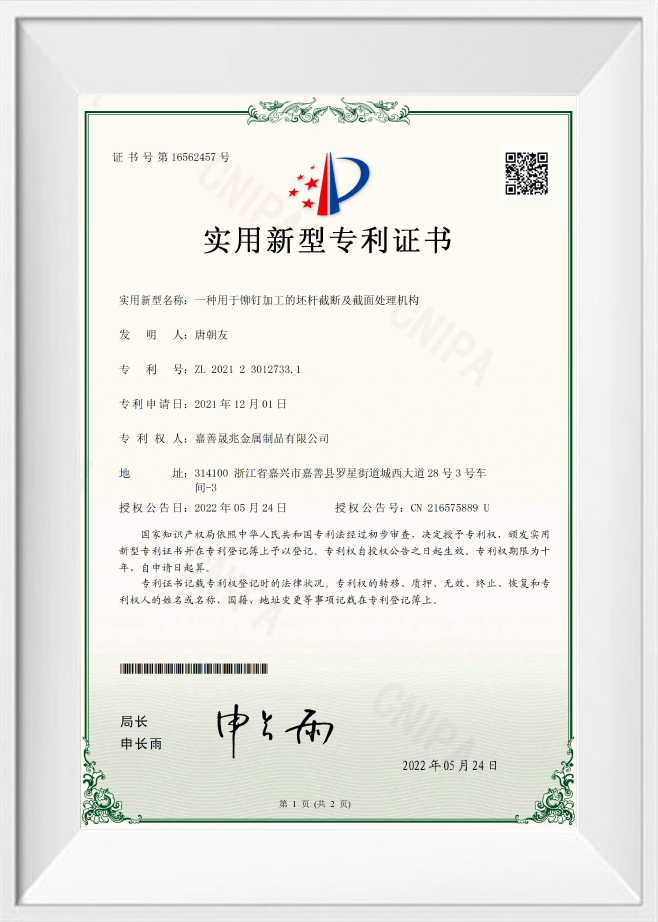
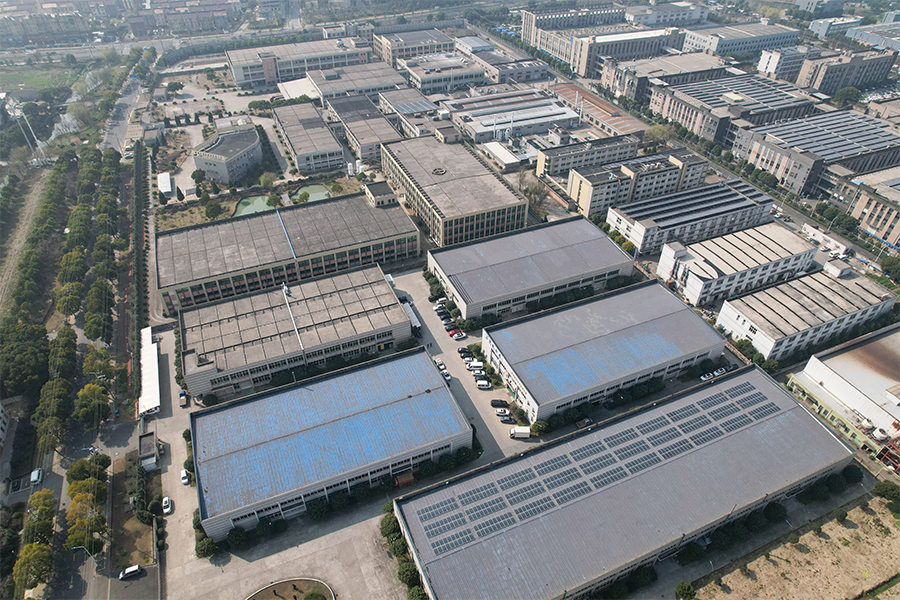
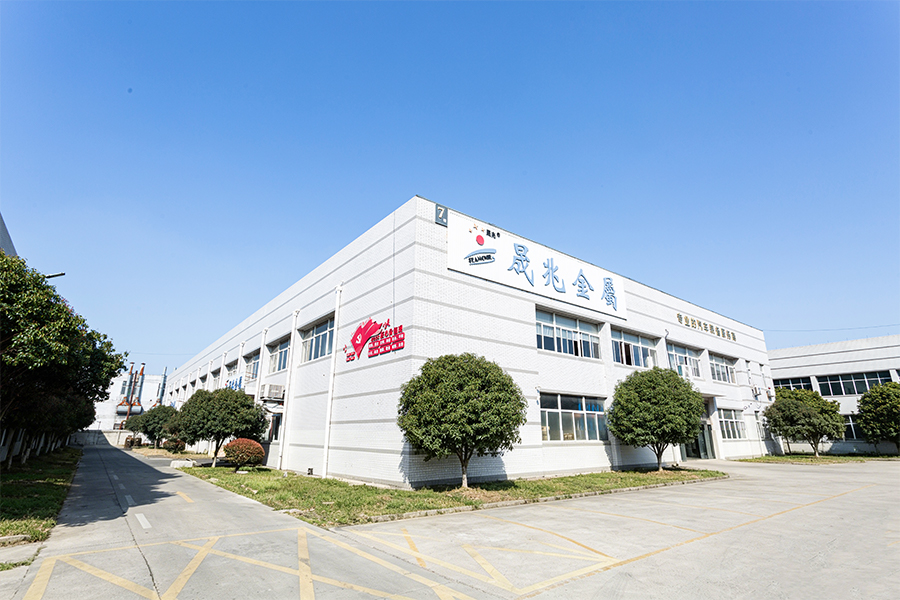
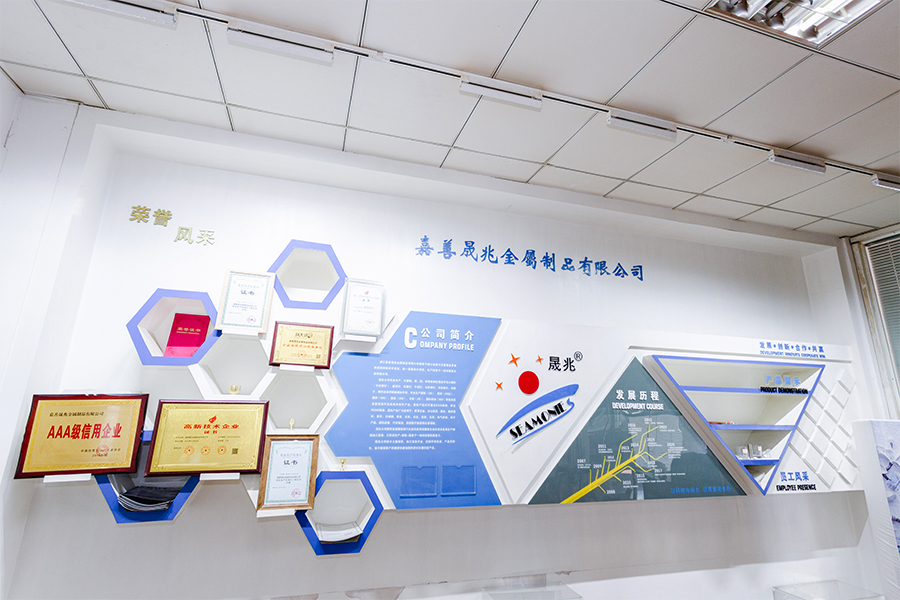
A Zhejiang Chance & Union Import and Export Co., Ltd. a SEA Monies Metal Co., Ltd. alá tartozó családi vállalkozás, amely közel 20 éves családi tapasztalatot és minőségi örökséget örökölt a fémgyártás területén. A Shengzhao Metal erős gyártási erőforrásai és integrált ellátási lánca által támogatott vállalat a kiváló minőségű rögzítési megoldások kutatására, gyártására és globális kínálatára összpontosít, miközben fenntartja a hosszú távú elkötelezettségét a precizitás és a termékkonzisztencia mellett.
Fejlett mérnöki képességeit kihasználva a cég nagy szilárdságú szegecsek, csavarok, anyák, alátétek, csapok, nem szabványos csavarok és különféle testreszabott fém alkatrészek gyártására specializálódott. Az anyaglehetőségek között szerepel a rozsdamentes acél, ötvözött acél, alumíniumötvözet, réz és speciális ötvözetek, amelyeket hidegfejezéssel, melegkovácsolással, CNC-megmunkálással és egyéb precíziós eljárásokkal gyártanak a különféle ipari követelmények kielégítésére.
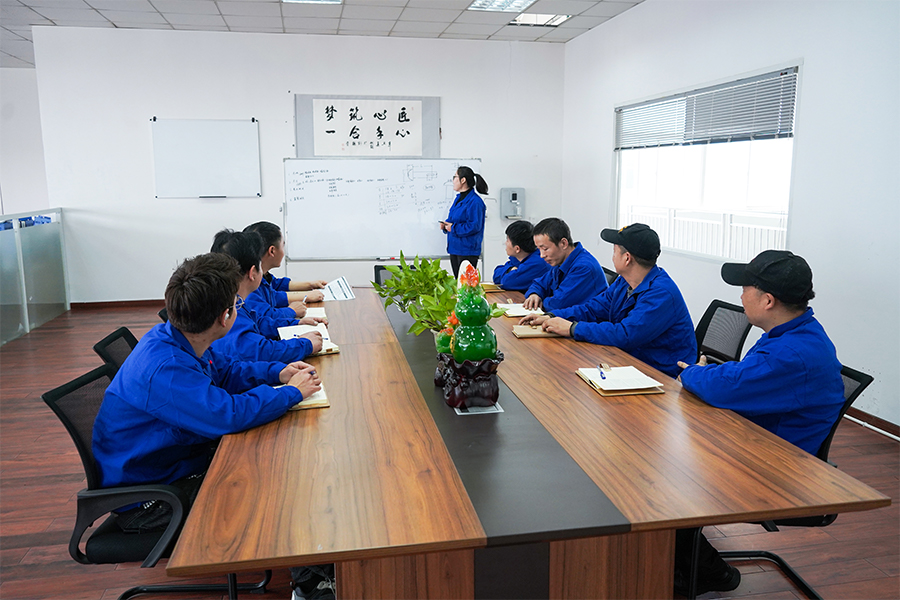
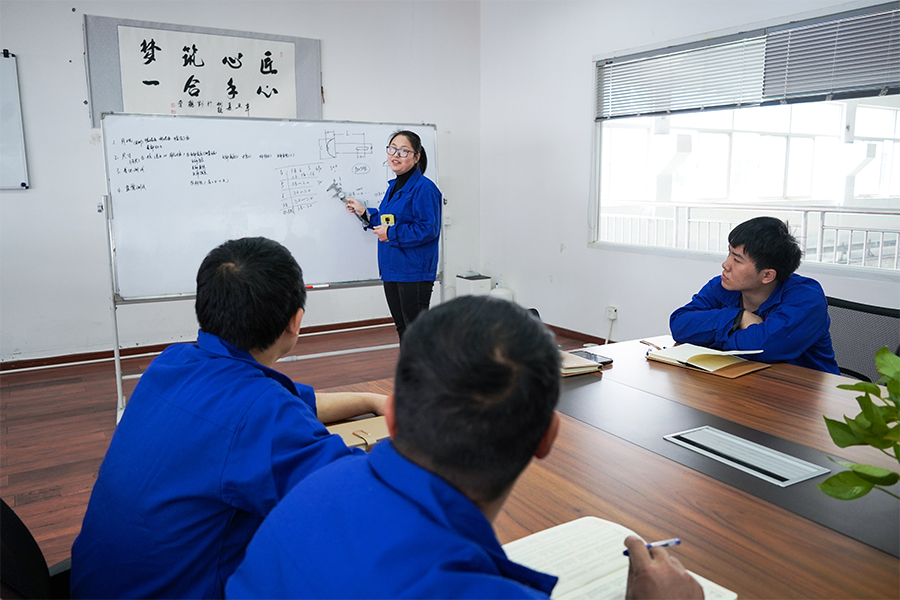
Elkötelezett K+F csapata közel két évtizedes ipari tapasztalattal támogatva több mint 1000 testreszabott rögzítési megoldást fejlesztett ki több száz összetett ipari alkalmazáshoz. A kutatásba és mérnöki munkába való folyamatos befektetés lehetővé teszi a folyamatos fejlesztéseket egyedi, nem szabványos csavarok , csatlakozási technológiák és precíziós alkatrészek tervezése.
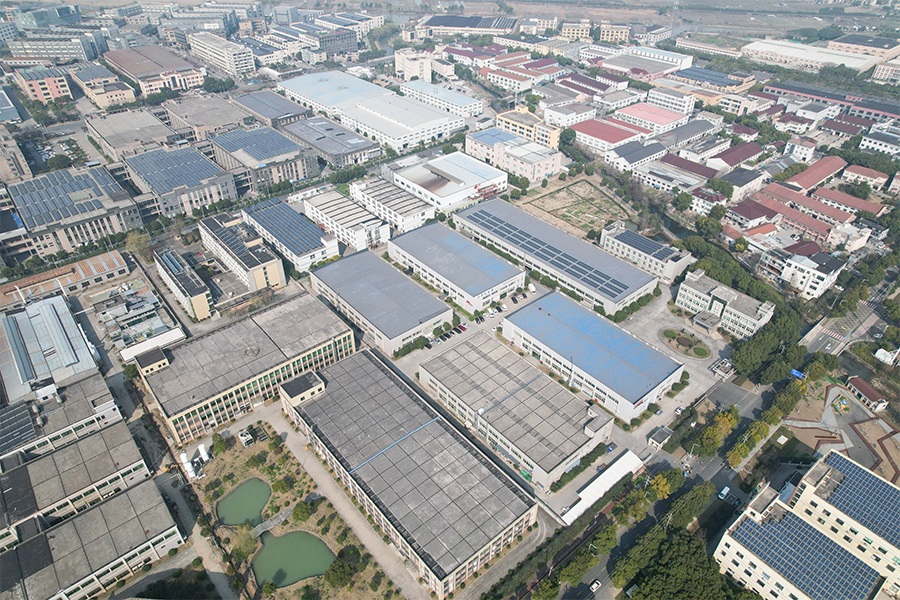
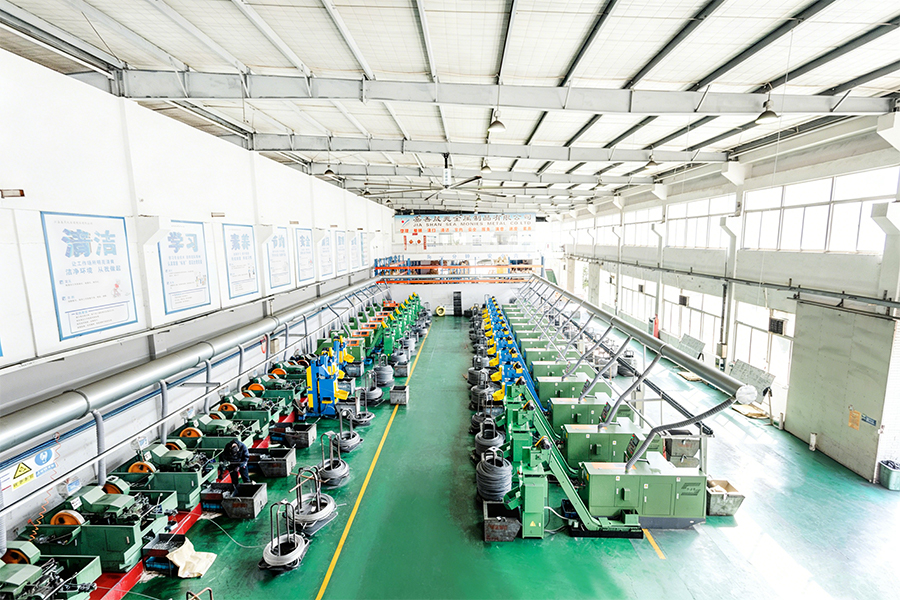
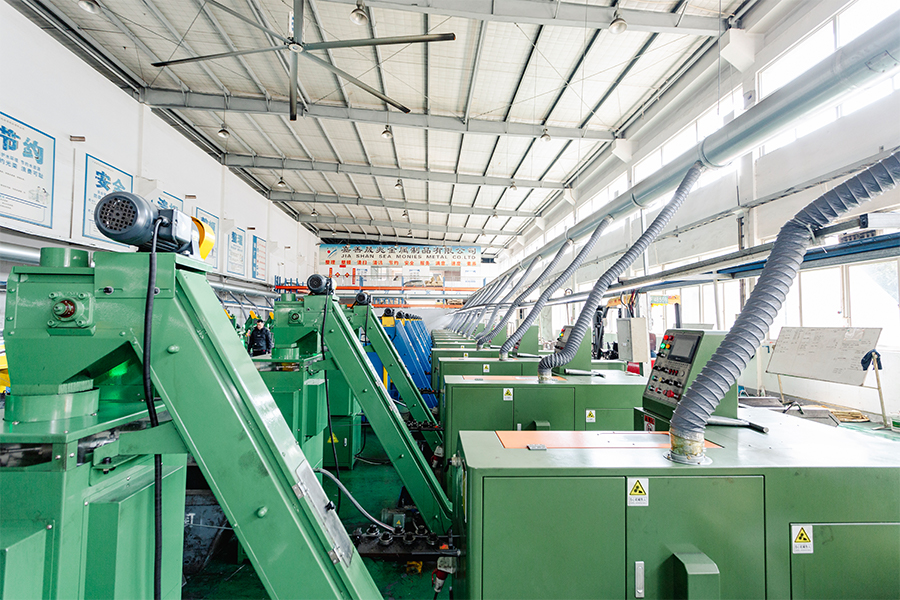
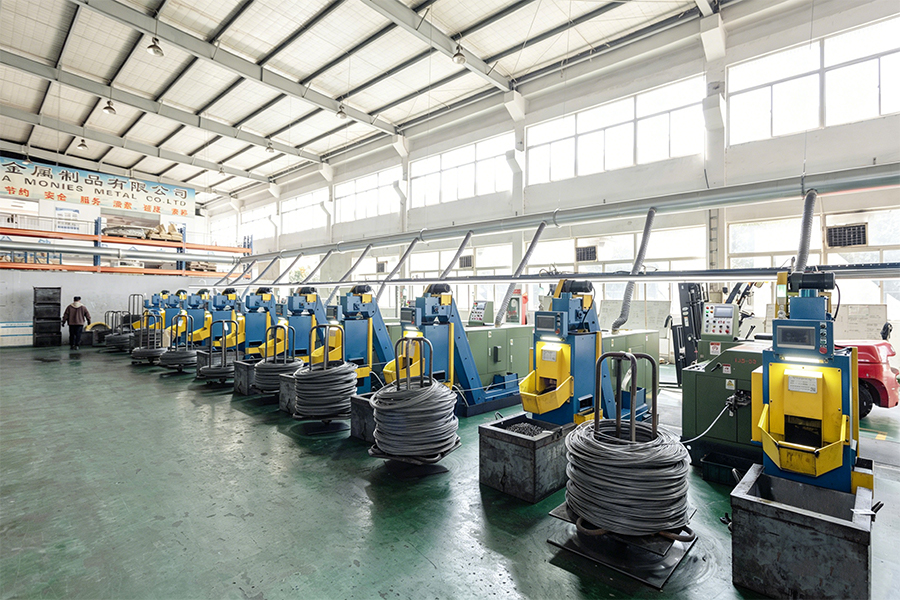
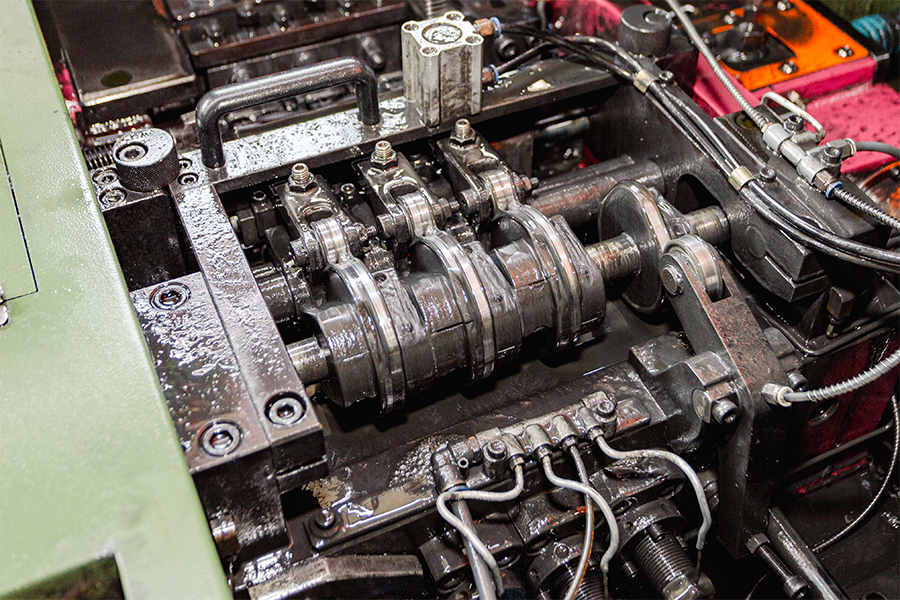
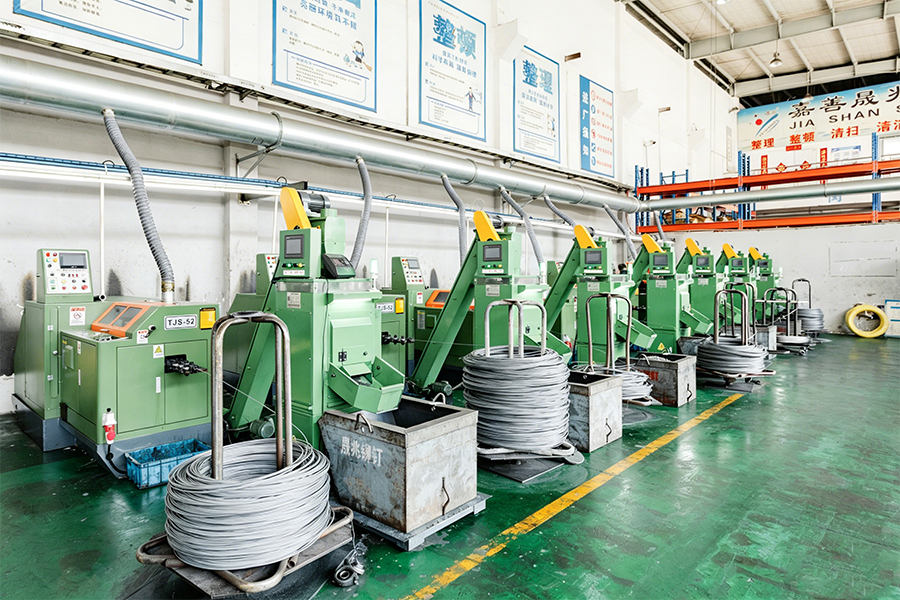
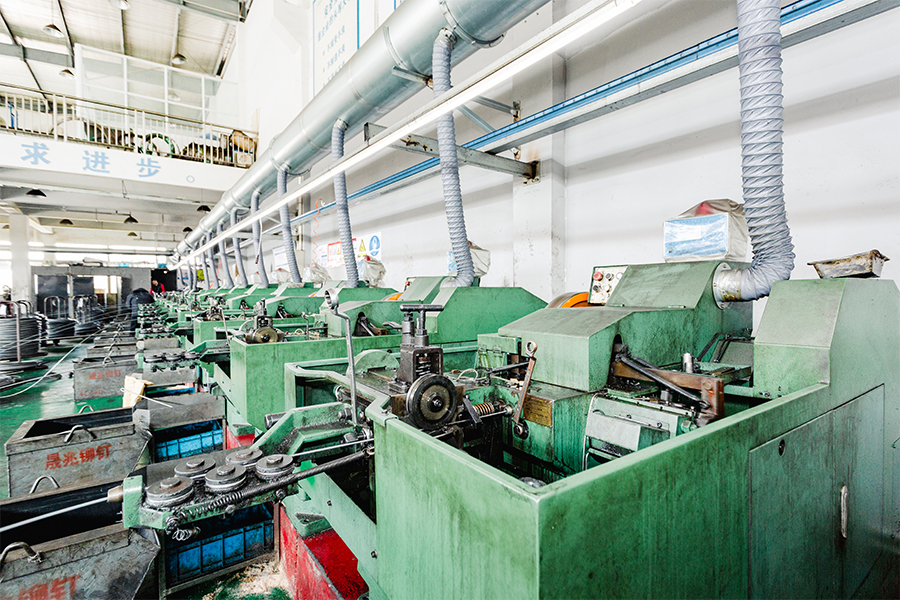
A termelést egy több mint 30 000 négyzetméteres gyártóüzem támogatja, amely több mint 80 többállomásos hidegfejes géppel van felszerelve. Az automatizált gyártósorok a lean gyártásirányítással kombinálva stabil minőséget, magas termelési hatékonyságot és megbízható szállítást biztosítanak mind a szabványos, mind a nagymértékben testreszabott rögzítési projektekhez.
Következtetés
A nem szabványos csavarok gyártásához a legjobb anyag kiválasztása az alkalmazás mechanikai követelményeinek, környezeti feltételeinek, gyártási folyamatainak és várható élettartamának ismeretén múlik. A rozsdamentes acél kiváló egyensúlyt biztosít a korrózióállóság és a sokoldalúság között, az ötvözött acél kiváló szilárdságot, az alumíniumötvözet támogatja a könnyű szerkezeteket, míg a réz és a speciális ötvözetek speciális elektromos vagy extrém környezeti alkalmazásokra szolgálnak.
A megfelelő anyagválasztás és a precíziós gyártás, az optimalizált gyártási folyamatok és a szigorú minőség-ellenőrzés kombinálásával a gyártók egyedi, nem szabványos csavarokat állíthatnak elő, amelyek megbízható teljesítményt, egyenletes minőséget és hosszú távú tartósságot érnek el az ipari szektorok széles körében.
GYIK
1. Mik azok a nem szabványos csavarok?
A nem szabványos csavarok testreszabott rögzítőelemek, amelyeket speciális méretekkel, menetkialakításokkal, fejtípusokkal, anyagokkal vagy tűrésekkel gyártanak, hogy megfeleljenek az egyedi mérnöki és ipari követelményeknek.
2. Melyik anyagot használják leggyakrabban egyedi, nem szabványos csavarokhoz?
A rozsdamentes acél az egyik legszélesebb körben használt anyag, mivel kiváló korrózióállóságot, tartósságot és megmunkálási teljesítményt kínál a különböző iparágakban.
3. Mikor kell a rozsdamentes acél helyett ötvözött acélt választani?
Az ötvözött acélt általában akkor részesítik előnyben, ha nagyobb mechanikai szilárdságra, kopásállóságra és kifáradási teljesítményre van szükség, különösen a nagy teherbírású ipari berendezéseknél.
4. Használható-e alumíniumötvözet nem szabványos csavarokhoz?
Igen. Az alumíniumötvözet olyan könnyű alkalmazásokhoz alkalmas, mint a repülőgépipar, az elektronika, a kommunikációs berendezések és az elektromos járművek, ahol fontos az alkatrészek súlyának csökkentése.
5. Miért fontos az anyagválasztás az egyedi, nem szabványos csavarok esetében?
Az anyagválasztás meghatározza a csavar szilárdságát, korrózióállóságát, megmunkálási minőségét, kifáradási élettartamát, élettartamát és általános megbízhatóságát a tervezett működési környezetben.





