


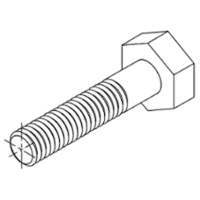
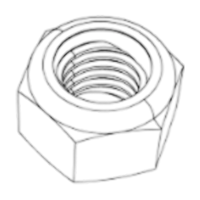
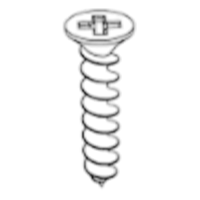

Rozsdamentes acél csavarok és anyák
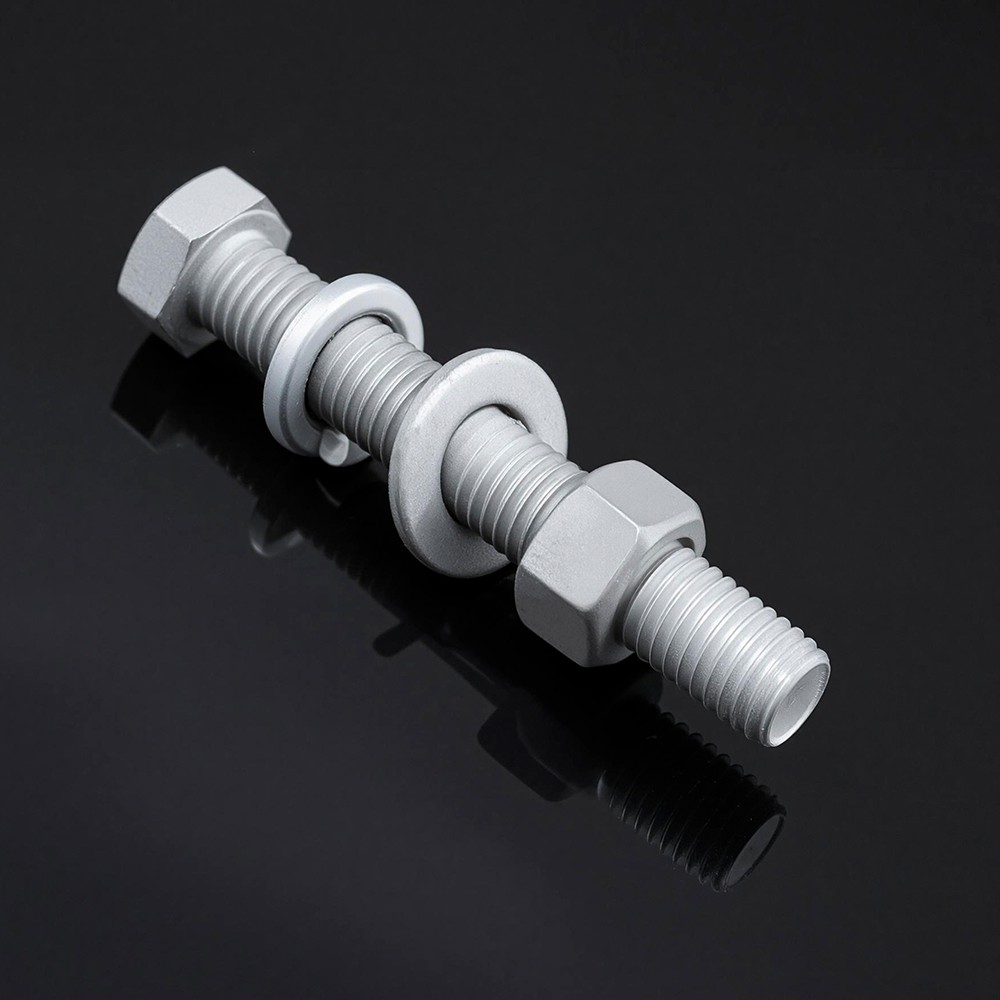
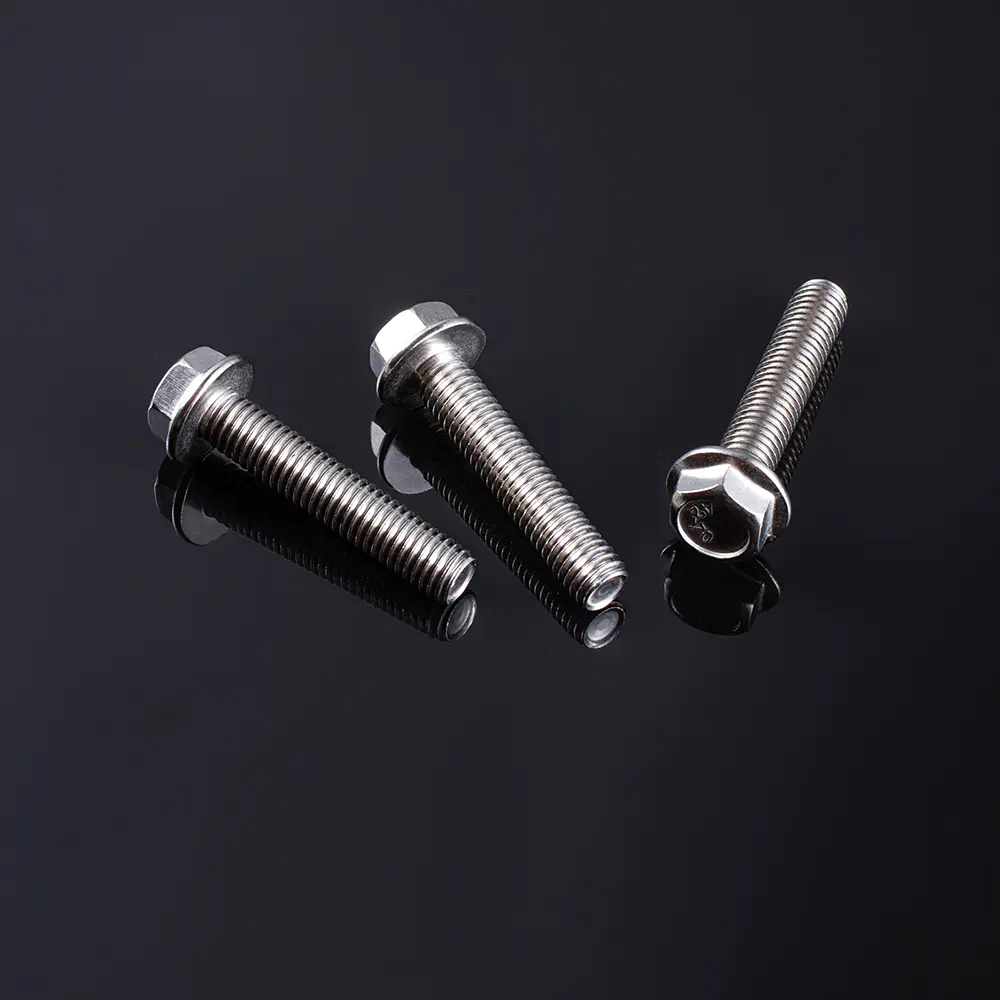
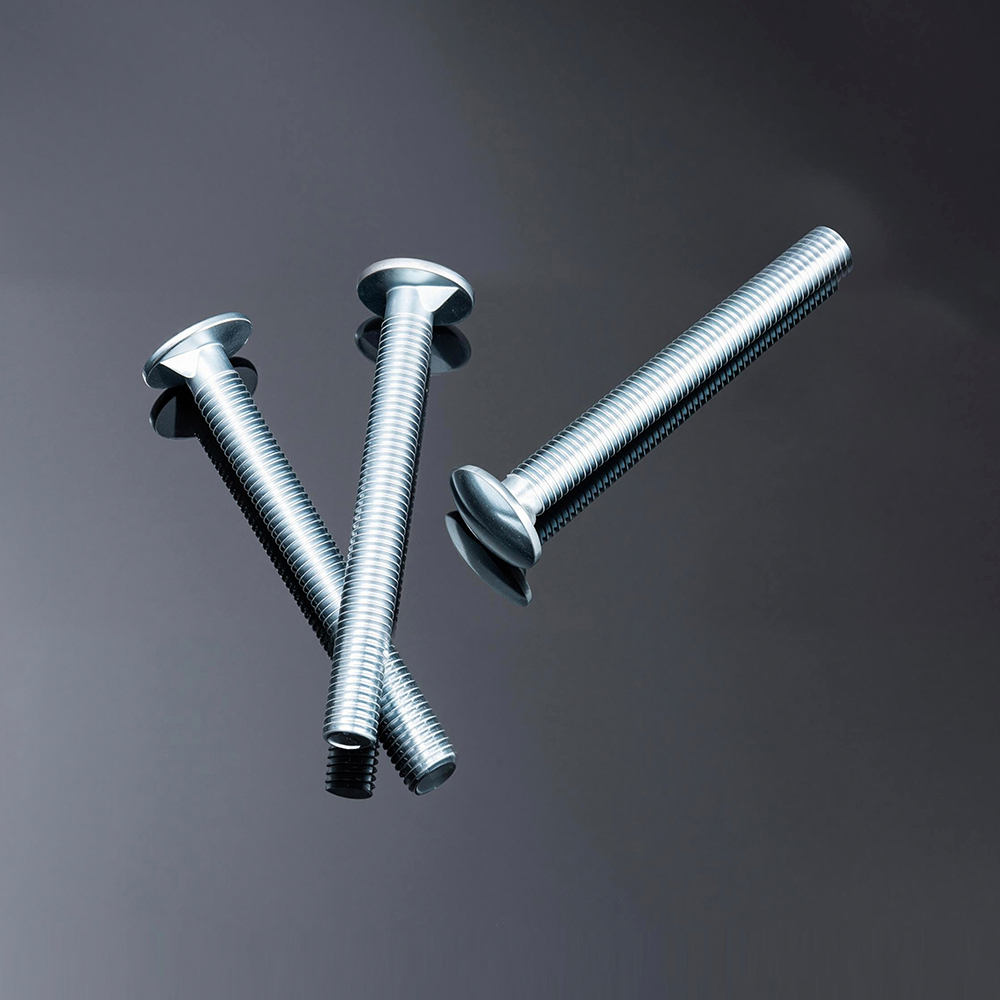
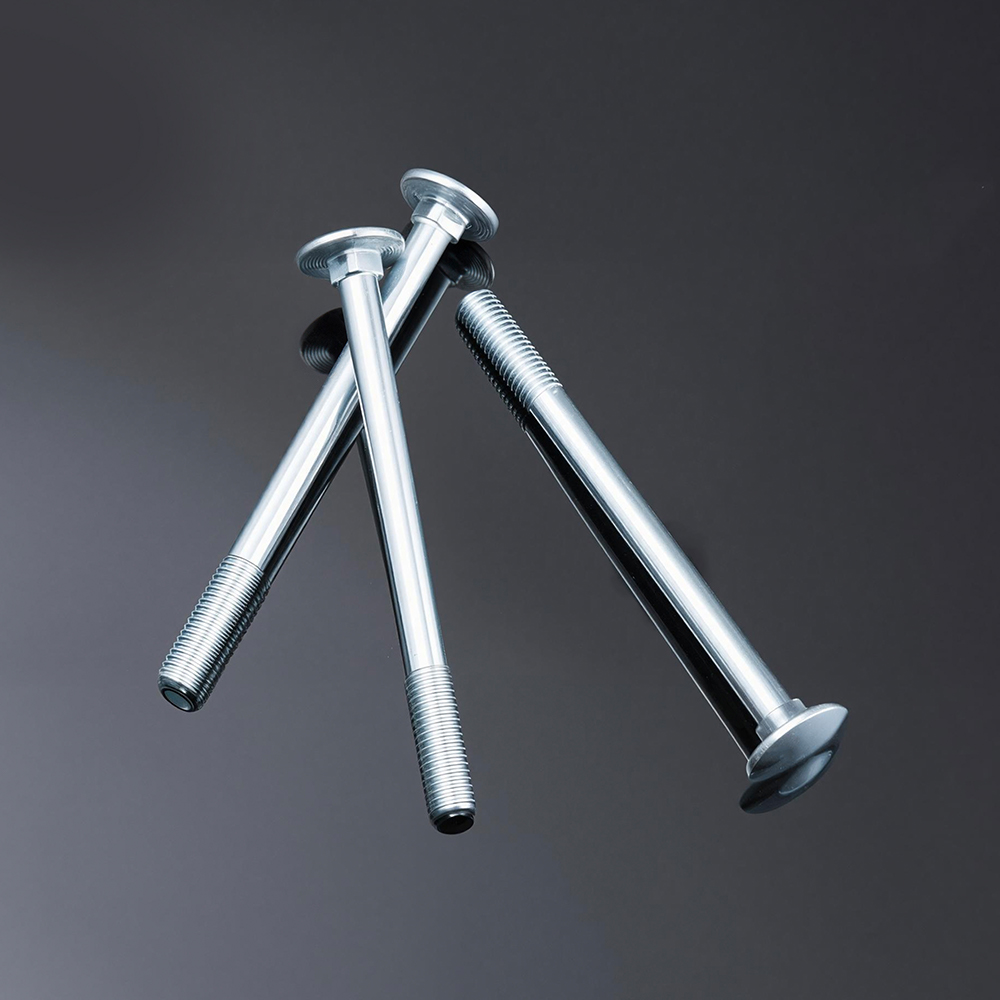
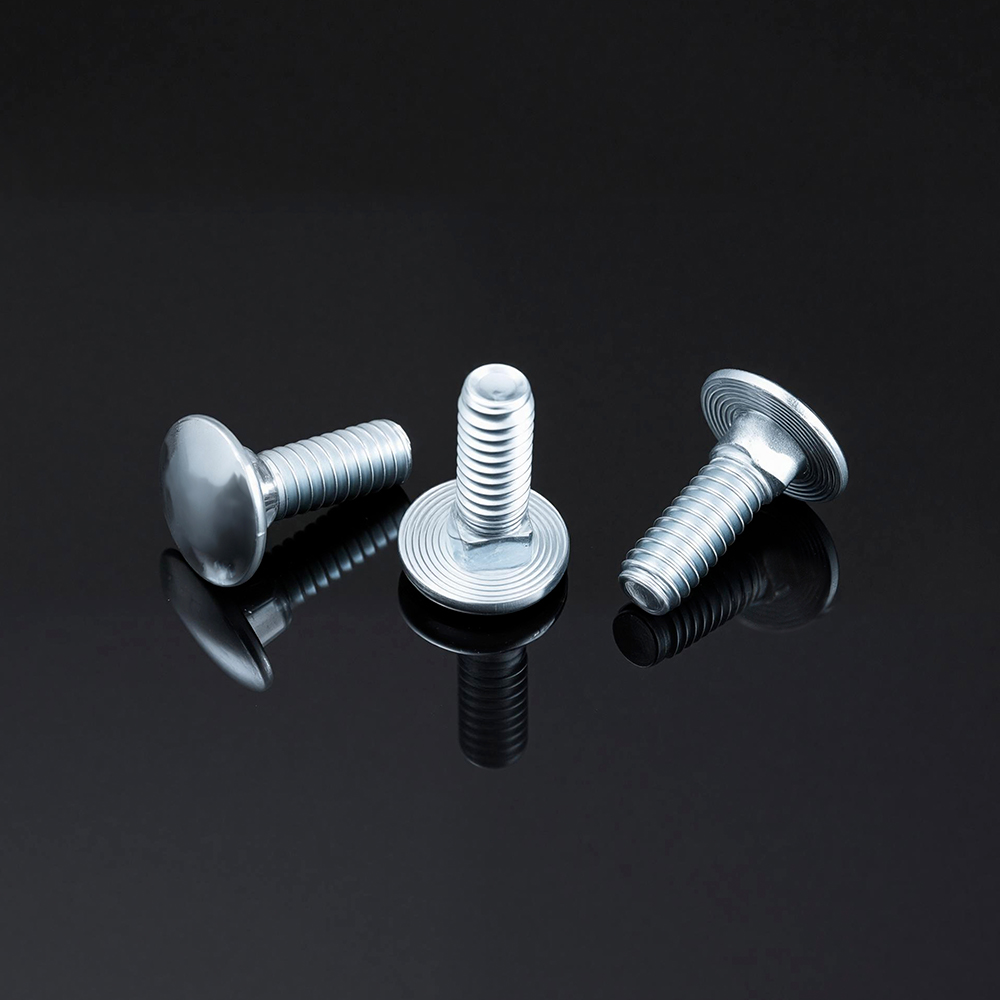
A rozsdamentes acél csavarok és anyák precíziós tervezésű rögzítőelemek, amelyek ausztenites, martenzites vagy duplex rozsdamentes acélból készülnek. A gyártás hidegfejezést, menethengerlést és ellenőrzött hőkezelést foglal magában az ISO 3506 szerinti 70-es, 80-as vagy 100-as tulajdonságosztály elérése érdekében. A menetformák megfelelnek az ISO 68-1 metrikus vagy ANSI/ASME B1.1 egységes szabványoknak. A felületi passziválás (ASTM A967) eltávolítja a szabad vasat és dúsítja a króm-oxid réteget, passzív korrózióvédelmet biztosítva oxidáló és enyhén redukáló környezetben. A mérettűrések megfelelnek az ISO 965-1 és ANSI B1.2 szabványoknak, biztosítva a szabványos anyákkal és menetes furatokkal való egyenletes illeszkedést. Ezeket a rögzítőelemeket különböző típusú fejjel, hajtómélyedésekkel és bevonattal szállítjuk, nyomon követhető anyagtanúsítvánnyal.
Alapvető előnyei
- Korrózióállóság: a passzív film (Cr₂O₃) védelmet nyújt tengeri, ipari és magas páratartalmú környezetben.
- Mechanikai szilárdság: húzószilárdság 500 MPa-tól (70. osztály) 1000 MPa-ig (100. osztály) teherhordó kötéseknél.
- Menetpontosság: a hengerelt menetek sima oldalával csökkentik a súrlódást és növelik a fáradási élettartamot.
- Hőstabilitás: megőrzi a méretintegritást ciklikus hőmérséklet-változások mellett 300°C-ig.
- A bevonat kompatibilitása: szárazréteg-kenőanyaggal, viasszal vagy PTFE-vel kapható a szabályozott nyomaték-feszültség viszonyokhoz.
Termékjellemzők
| Attribútum | Részletek |
| Anyagminőségek | 304 (A2), 316 (A4), 410 (martenzites), 2205 (duplex) |
| Szálszabványok | ISO-metrika (M2–M36), UNC, UNF, 8UN |
| Tulajdon osztályok | 70, 80 (ausztenites); 100 (martenzites); 120 (duplex) |
| Felületi kezelések | Passziválás, elektropolírozás, horganyzás, beragadásgátló bevonat |
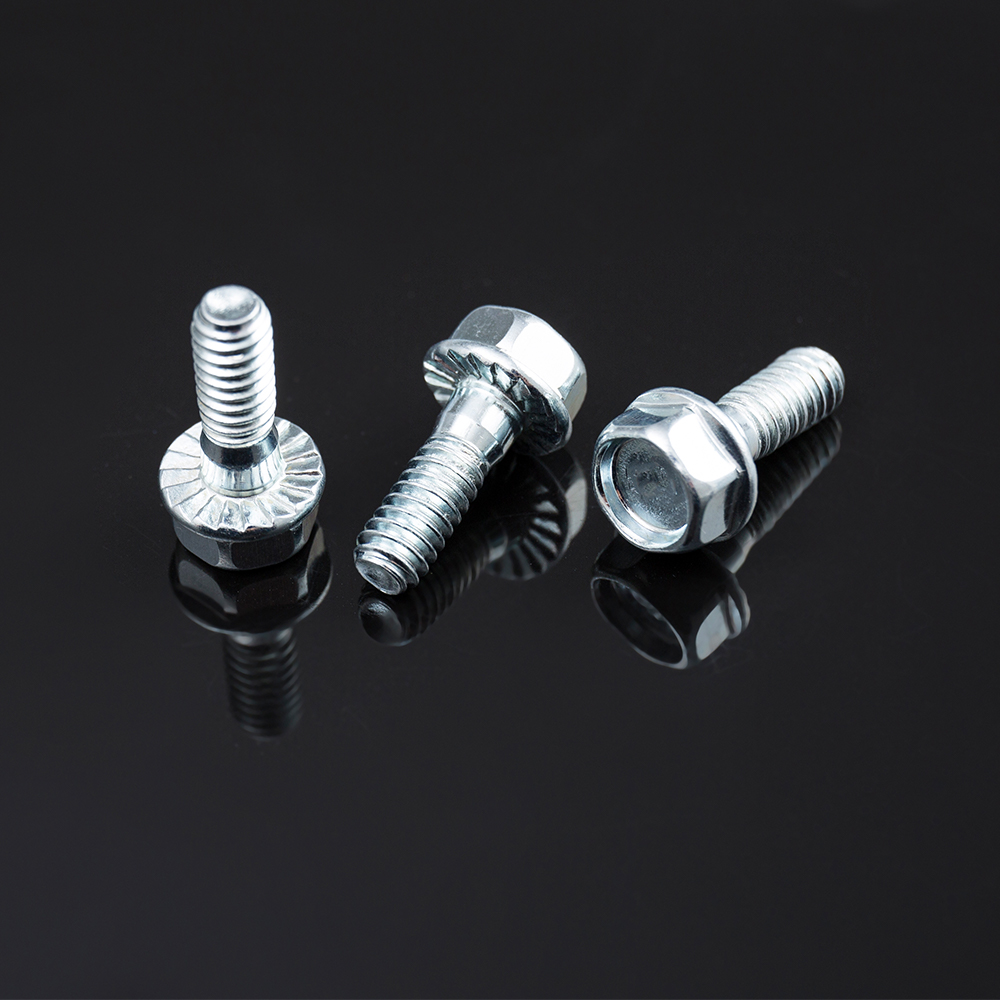
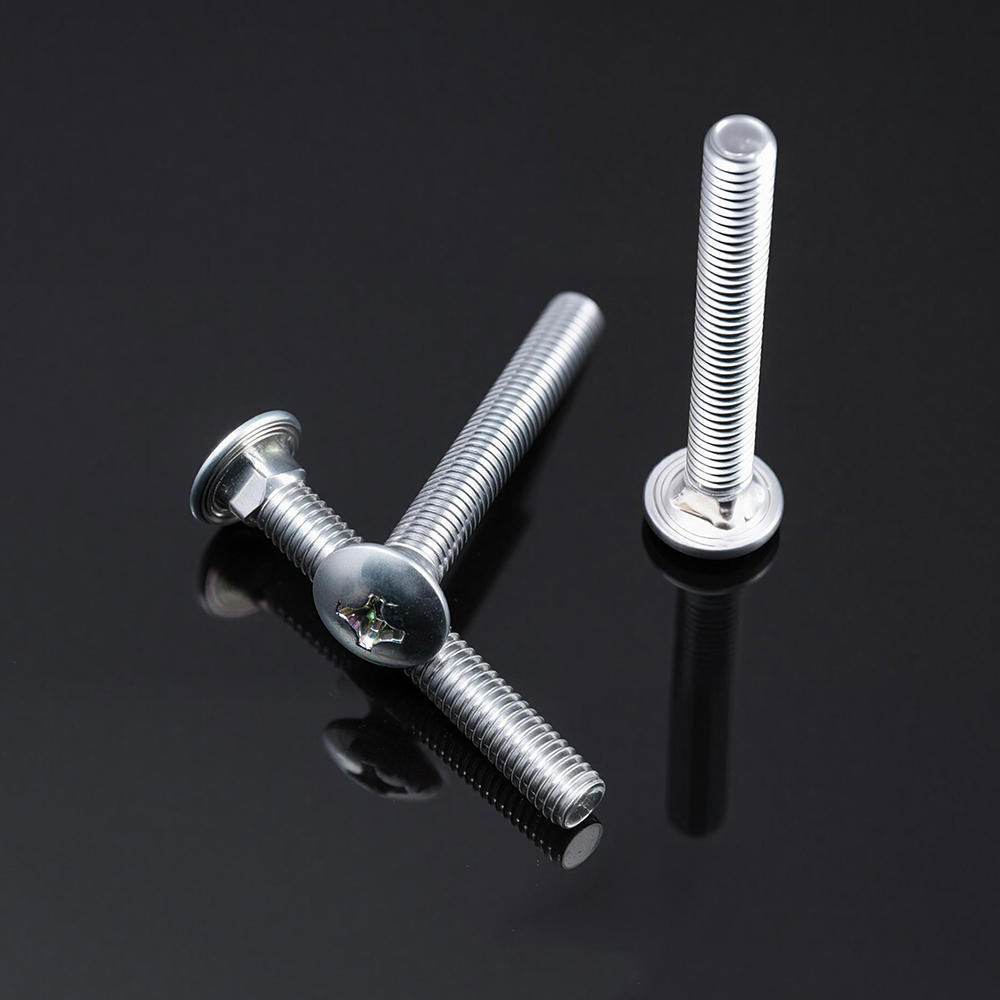
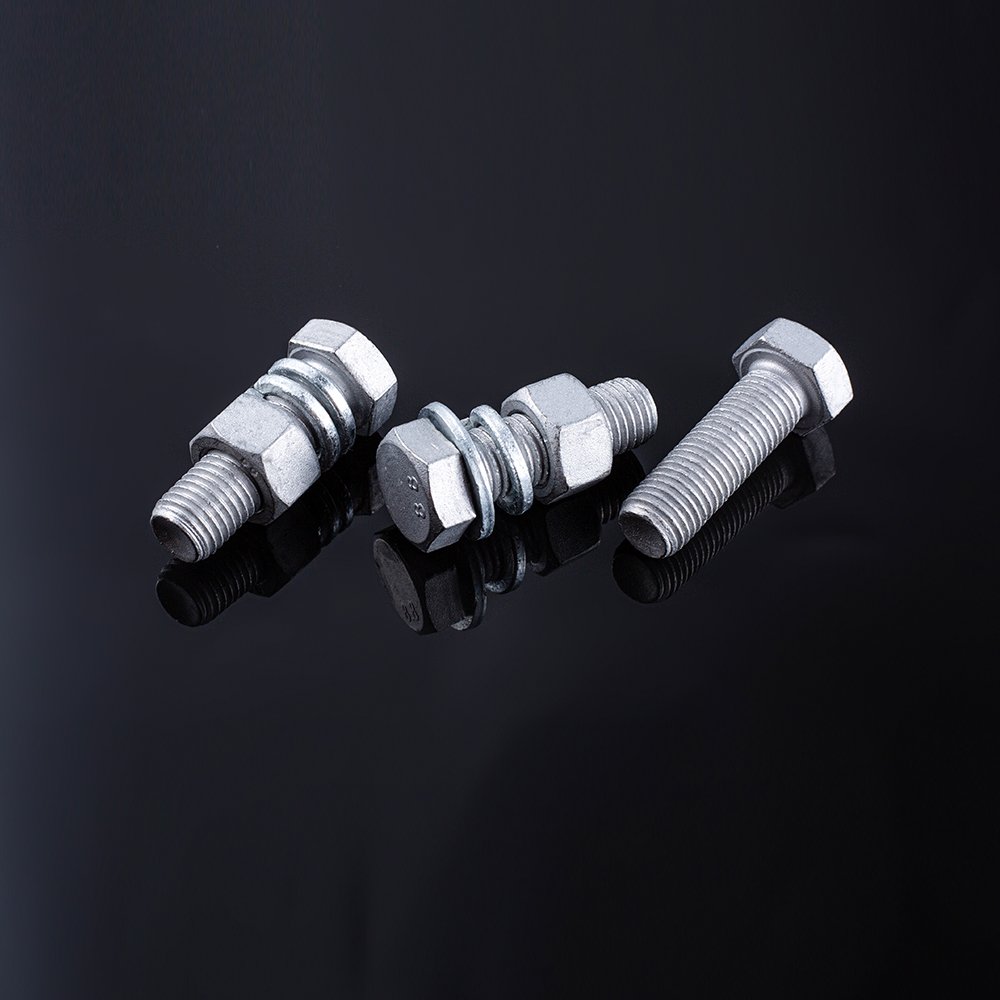
| Fej konfigurációk | Hatlap, serpenyő, lapos, süllyesztett, karima, gomb, foglalat |
| Hajtástípusok | Hex, Phillips, Torx, réselt, négyzet, kombináció |
| Átmérő tartomány (metrikus) | M2 – M36 (durva és finom hangmagasság) |
| Átmérő tartomány (hüvelyk) | #2 – 1-1/2 hüvelyk (UNC/UNF) |
Mechanikai tulajdonság referencia
- 70. osztály (304/316): ellenálló terhelés 450 MPa, szakítószilárdság 500–700 MPa
- 80. osztály (304/316): szilárdsági terhelés 600 MPa, szakítószilárdság 700–800 MPa
- 100. osztály (410/420): ellenálló terhelés 830 MPa, szakítószilárdság 900–1000 MPa
- 120-as osztály (duplex): ellenálló terhelés 1000 MPa, szakítószilárdság 1100–1200 MPa
Alkalmazási mezők
- Tengeri és tengeri: fedélzeti hardver, tenger alatti csatlakozók, kötélzet szerelvények.
- Étel és ital: szállítószalagok, keverők, töltőgépek, rozsdamentes acél vázak.
- Vegyi feldolgozás: csőkarimák, reaktortartók, szelepmozgatók, szivattyúházak.
- Építészeti kivitelezés: függönyfali horgonyok, szerkezeti üvegezések, burkolattartók.
- Gépjárműipar: kipufogórendszer csuklók, turbófeltöltő konzolok, alváz rögzítések.
- Megújuló energia: napelem szerelés, szélturbina torony csatlakozások, vízerőművek.
304. évfolyam (A2)
- 18Cr-8Ni
- Általános cél
- Beltéri / enyhe kültéri
- Költséghatékony
316. évfolyam (A4)
- 16Cr-10Ni-2Mo
- Tengerészeti/kémiai
- Klorid rezisztencia
- Magasabb ütésállóság
Duplex 2205
- 22Cr-5Ni-3Mo-N
- Nagy szilárdság
- Feszültség korrózióálló
- Olaj és gáz, tengervíz
Műszaki útmutató és összeszerelési megoldások
Nyomaték-feszültség kapcsolat
A rozsdamentes acél kötőelemek súrlódási tényezője a felület állapotától függően 0,15 és 0,35 között van. Használja a T = K × d × F képletet (ahol K az anyatényező, d a névleges átmérő, F az előfeszítés) a célnyomaték meghatározásához. Az olajozott menetek (K ≈ 0,15–0,18) kisebb nyomatékot igényelnek, mint a száraz menetek (K ≈ 0,25–0,30). Mindig kalibrált nyomatékkulccsal ellenőrizze, és az első meghúzás után végezzen lazítási ellenőrzéseket.
A cérna epedés megelőzése
A foltosodás a ragasztókopás súlyos formája, amely az önpárló ausztenites rozsdamentes acéloknál fordul elő. Csökkentő stratégiák: alkalmazzon beragadásgátló anyagot (nikkel vagy réz alapú), használjon bevonatos rögzítőket (viasz, PTFE), csökkentse a meghúzási sebességet és kerülje a túlzott nyomatékot. A kritikus kötéseknél fontolja meg különböző ötvözetkombinációk használatát (például 304-es csavar 316-os anyával).
Korróziókezelés agresszív közegben
Klorid-, szulfid- vagy alacsony pH-értékű környezetben válassza a 316-os vagy a duplex minőséget. Az ASTM A967 szerinti passziválás (citrom- vagy salétromsav) visszaállítja a passzív réteget a megmunkálás után. A hasadékok kockázata miatt használjon teljesen menetes rögzítőelemeket polimer tömítésekkel, vagy alkalmazzon tömítőanyagot a rések lezárására.
Tömítésekkel vagy puha anyagokkal ellátott csavarkötések esetén 24 óra elteltével ismételje meg a nyomatékot, hogy kompenzálja a beágyazás ellazulását. Használjon edzett alátéteket a csavarfej és az anya alatt a terhelés elosztására és a csapágy sérülésének megelőzésére.
Gyakran Ismételt Kérdések
Tárolási és kezelési gyakorlatok
- A passziváció megőrzése érdekében tiszta, száraz helyen, 55% alatti relatív páratartalom mellett tárolandó.
- Kerülje a szénacéllal, rézzel vagy grafittal való érintkezést a galvanikus vagy szennyeződési problémák elkerülése érdekében.
- Használjon műanyag vagy bevonatos tálcákat és szemeteseket; osztály és méret szerint különválasztva.
- Végezze el a FIFO forgatást; ajánlott eltarthatóság 36 hónapig az eredeti csomagolásban.
- Használat előtt ellenőrizze, hogy nincsenek-e rozsdafoltok vagy elszíneződés; szükség esetén újra passziválni.

Leveraging the factory's robust R&D and production capabilities, we specialize in high-strength rivets bolts, nuts, washers, pins, screws, and various non-standard custom parts. As experienced Custom Rozsdamentes acél csavarok és anyák Suppliers, we provide flexible manufacturing solutions for different customer requirements. Our product range covers materials including stainless steel, alloy steel, aluminum alloy, copper, and special alloys, utilizing processes such as cold heading, hot forging, and CNC machining. Our products are exported to over 25 countries, serving more than 200 clients.
A Chance & Union elkötelezett amellett, hogy zökkenőmentesen összekapcsolja a „Kínában gyártott” terméket a nemzetközi piaccal, globális ügyfelek egyablakos rögzítési megoldásokkal a kutatás-fejlesztéstől a tömeggyártásig a professzionális technológia és kivételes minőség.





